From Kafiristan to Nuristan: The Forced Islamization of the Hindu Kush Pagans
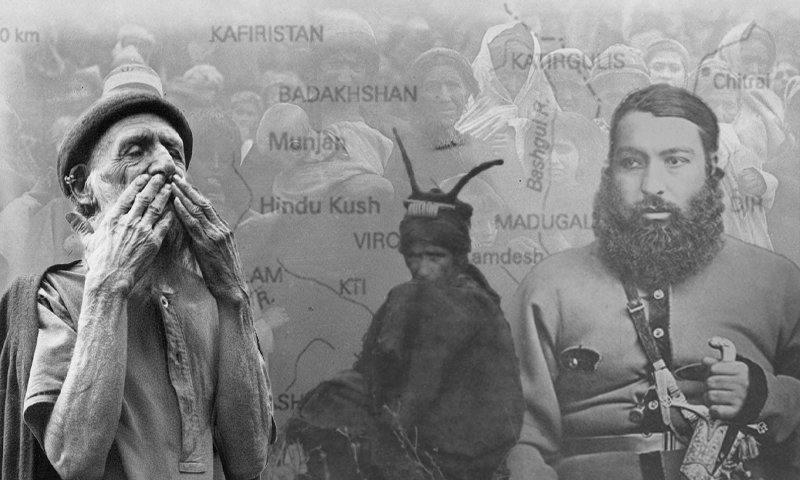
Amir Abdul Rehman, on the rightside
by Fakhr-e-Alam
(Disclaimer: The author acknowledges that both the terms Kafirs & Kafiristan are highly charged and are usually used with negative connotations in today’s world. However, due to the absence of any endonym, both the exonyms are used in academic and research works related to the region as alternative to ‘Pagan’ and ‘Land of Pagans’ respectively. The author dismisses any negative, provocative and offensive connotation associated with these terms, and uses them for purely identification purpose.)
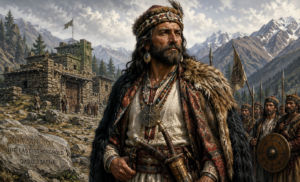
Most of us have heard about the Kalash tribe in Chitral, known for its unique culture and beliefs, but very few people know that up until 150 years ago, non-Muslim tribes like the Kalash were not only present in the three Kalash valleys of Chitral, but also in an extended area around. The Nuristan province of present-day Afghanistan, at that time was called Kafiristan (land of Pagans/non-Muslims), and its inhabitants were labeled Kafirs (Pagans/non-Muslims) by the Muslim majority areas around.
So what happened that within just a few years, not only did the non-Muslim tribes disappear, but the name Kafiristan itself was changed to Nuristan?
Also read: An Annotated Bibliography of Nuristan and the Kalash of Chitral
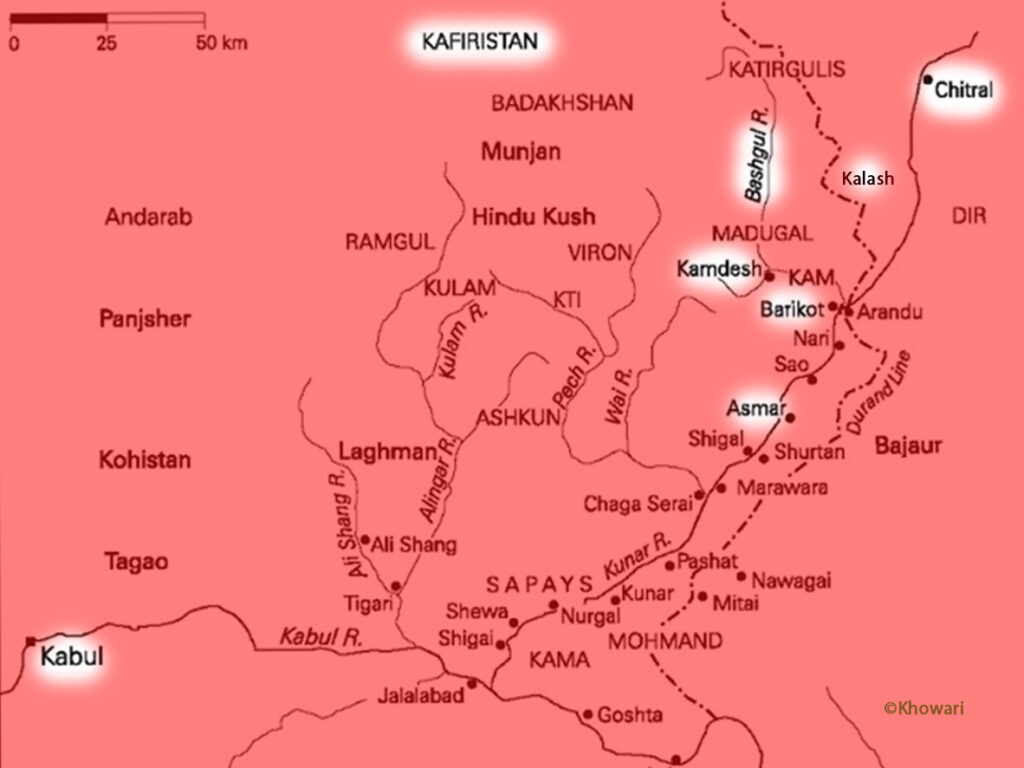
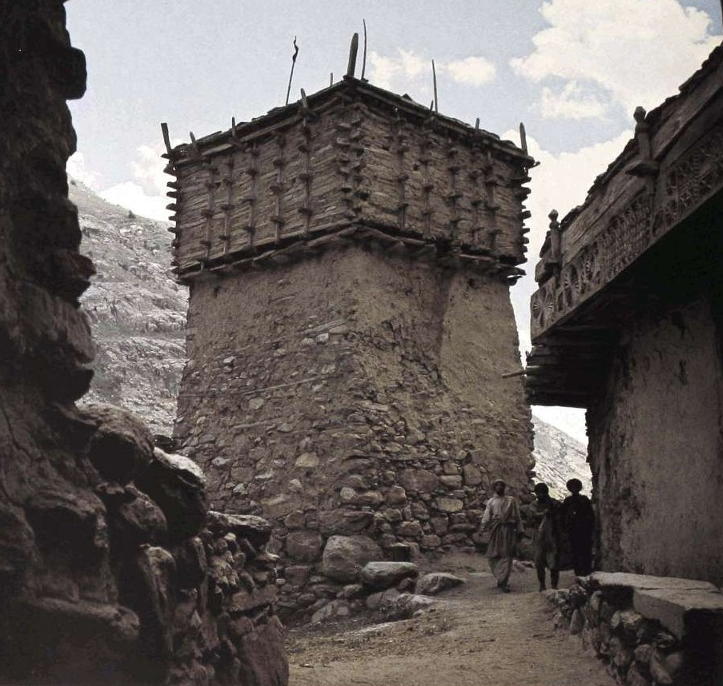
Nuristan, nestled in the Hindu Kush mountains, is the present-day eastern province of Afghanistan. To its north lies Afghanistan’s Badakhshan province, to the west is Panjshir, to the south are Laghman and Kunar, and to the east is Pakistan’s Lower Chitral district. The region was called “Kafiristan” by the surrounding Muslim populations; however, the tribes themselves used local names for each other and had no single collective name. This area has long been the home of autonomous tribes, although one of its large valleys, Bashgal, recognized the suzerainty of the State of Chitral and paid tribute annually. Additionally, the three Kalash “infidel” valleys, Bumburet, Rumbur, and Birir, were entirely under Chitral’s control.
Who were the pagans of Kafiristan?
Kafiristan consisted of several mountainous valleys, where an estimated 60,000 “Kafirs” lived1. The first detailed account of the area by the outside world came in 1888, when British military officer George Scott Robertson spent a year in Lower Bashgal and wrote a research book titled The Kafirs of the Hindu Kush. Before this, very little was known outside about these tribes, and outsiders only distinguished them by the clothes they wore, dividing them into two groups: the “white-clad” and the “black-clad.” However, after living among them and studying them closely, Robertson documented at least eight different tribes in Kafiristan along with several sub-branches2. Among these, the Kati, Qam, Madugal, Prasun, and Waye were the most influential tribes. The present-day Kalash considered all these tribes as lower caste and collectively regarded them as a slave tribe.
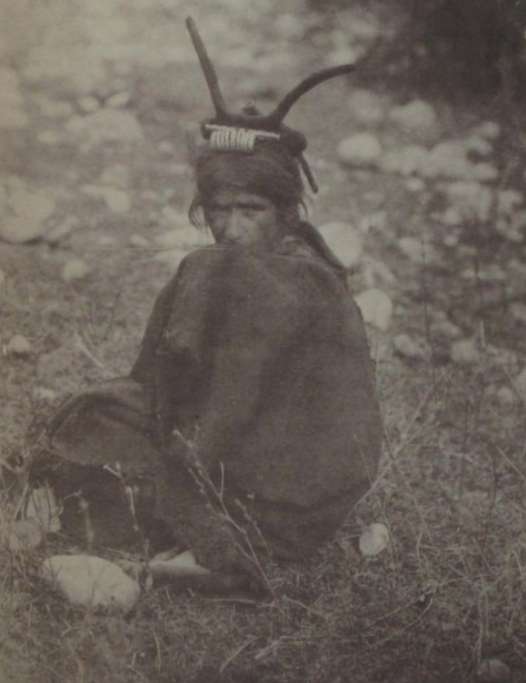
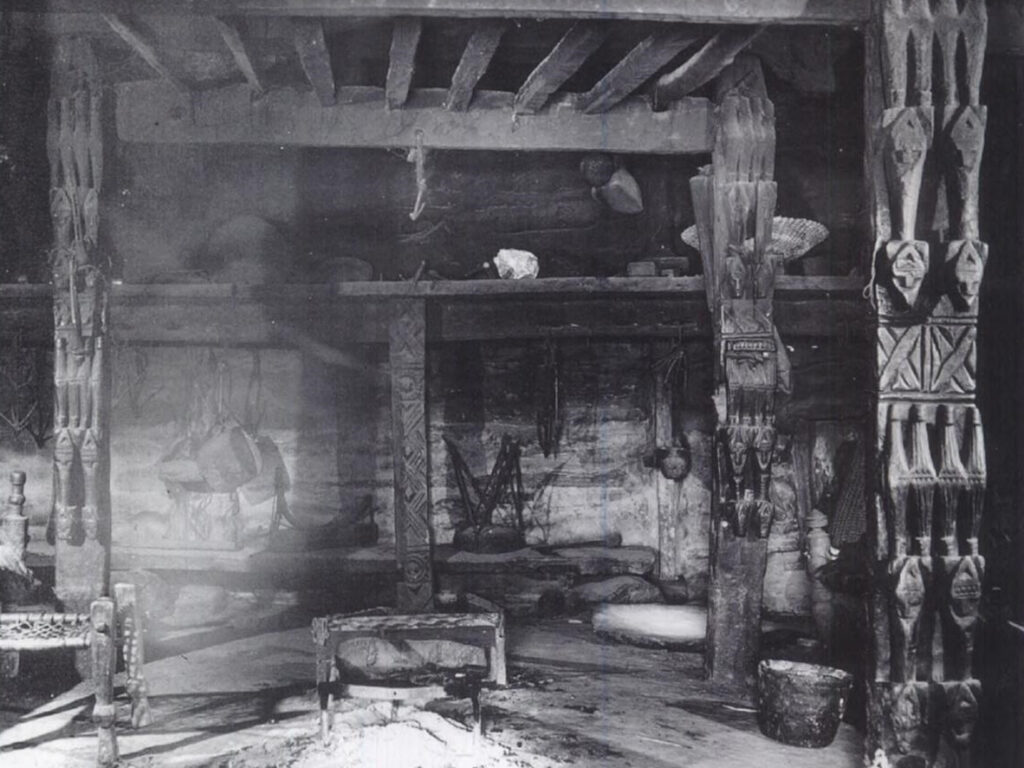
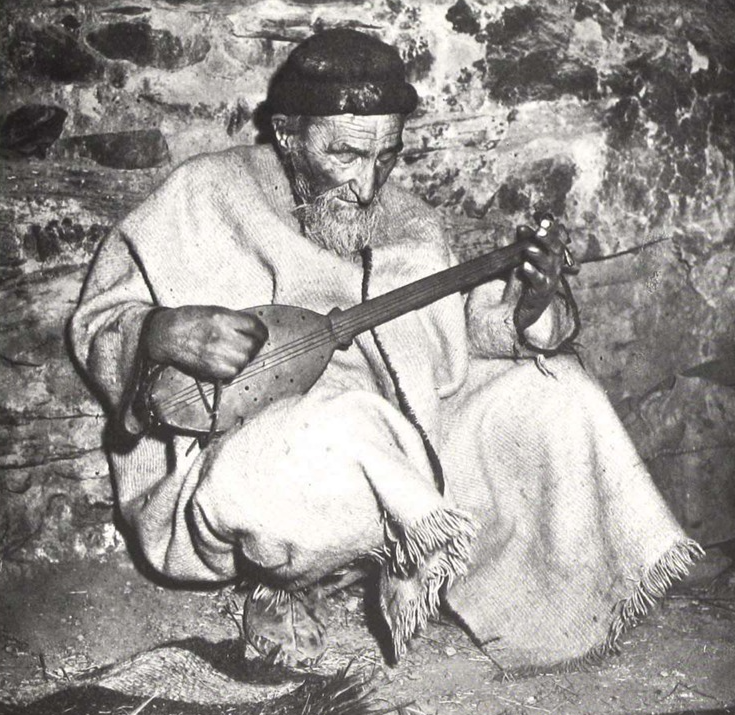
The religion of the tribes of Kafiristan incorporated elements of ancient Hinduism, divination, and nature worship, with belief in various deities and natural phenomena. These people pleased their gods through music, dance, songs, and sacrifices; they carved idols and built temples in their memory.
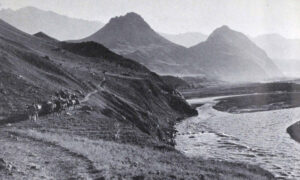
The tribes often fought among themselves and occasionally carried out raids into Chitral and other Muslim areas, looting travelers and local residents before fleeing. In those times, the route from Lowari to Chitral town, which is still used today, was considered unsafe due to attacks by these tribes.
Also Read: Bira Khan: An Odyssey
These tribes considered it an honor to kill a Muslim. A person who did so was regarded as a hero within the region. If someone set out from the valley with the intention of killing a Muslim, he was sent off with special rituals. If he succeeded in killing his enemy, he would bring the severed head or ear back to the village as a token, where other tribesmen gathered to welcome him and place a special necklace around his neck. The killer was also entitled to decorate his cap with bird feathers, the number of which represented the number of Muslims he had killed.
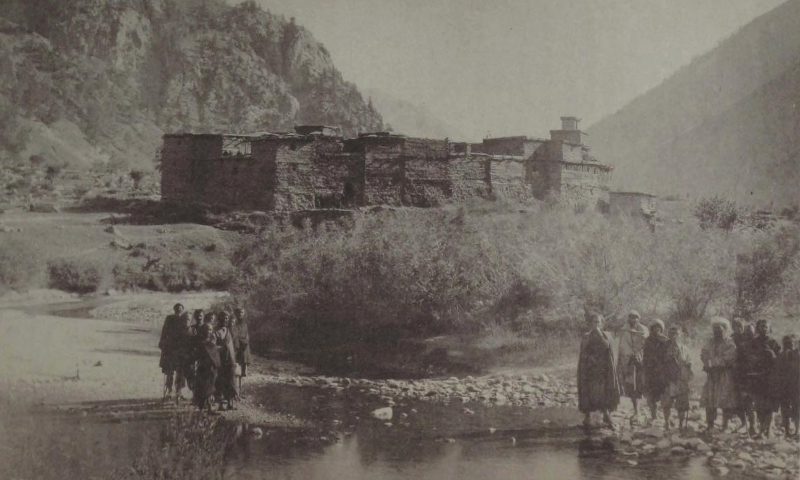
Like the present-day Kalash valleys, wine was common in Kafiristan. Mughal emperor Zahir-ud-din Babur wrote in his memoirs that “every Kafir hangs a leather bottle of wine around his neck; they drink wine instead of water.3” The same observations were made by Portuguese missionary Benedict Goes, who, in 1603, while traveling to China via Peshawar, was told about Kafiristan and offered its grape wine4.
In the 19th century, a rivalry began between the British in India and Russia, which was rapidly expanding into Central Asia. Britain feared that after occupying Central Asia, Russia might turn its attention toward the plains of India. Therefore, the British began taking measures against Russian expansionism; this period is remembered as the Great Game. The British considered it necessary to bring autonomous local states like Chitral, Gilgit, Hunza, Badakhshan, and Wakhan either under their influence or under Afghanistan, whose ruler, Amir Abdur Rahman, became a British ally at the time. As a result, in the first three states, the British installed their preferred rulers, and Afghanistan was given freedom and support to eventually bring Badakhshan, Wakhan, the Hazarajat, Shighnan, and finally Kafiristan under its control. Thus, with British assistance during Amir Abdur Rahman’s rule, the foundation of modern Afghanistan was laid.
The Great Game and British Patronage of the Afghans
In 1893, when the Durand Line was drawn between India and Afghanistan, many new areas came under Afghanistan’s control. However, the third clause of the agreement explicitly stated that Afghanistan would not occupy the Bashgal Valley, which was under Chitral’s influence. Despite this, the Amir of Kabul exploited errors in the names and maps in the agreement and insisted that Kafiristan was his territory. British officer Richard Udney, fearing that the Afghan Amir might annul the entire agreement, formally recognized Kafiristan as part of Afghanistan under the Bashagam Agreement of April 1895, a decision that went against the original Durand Agreement5. After securing British approval, Amir Abdur Rahman immediately began preparations to establish authority over these areas.
Also Read: The Forgotten Shakles: Slavery and Slave Trade in Chitral State
In the summer of 1895, he planned to attack Kafiristan from three sides: Badakhshan, Laghman, and Asmar. The first army was sent from Asmar under the command of General Ghulam Haider Charkhi. The details of this campaign are recorded in a long poem by Afghan poet Mirza Sher Ahmad Jalalabadi, titled Fath Nama-e-Kafiristan.
The poet writes that when news of Ghulam Haider’s advance reached the Kafirs, their representatives went to Asmar to negotiate. According to the poet, Ghulam Haider addressed them as “uncivilized dogs” and warned that if they did not convert to Islam, they would be killed. The Kafir chiefs returned to consult among themselves but did not come back at the appointed time, so Charkhi advanced. Beyond the area of Brekut, two Kafir representatives approached and said that if they were not forced to abandon their religion, they were willing to submit to Kabul and pay tribute6.
On the other hand, it is also reported that the Kafirs of Kamdesh had offered to convert to Islam and accept Afghan authority in exchange for not being subjected to military action. However, the Afghan commander not only demanded conversion and tribute but also required the construction of roads in Kafiristan, enlistment of 120 men into the army, and the provision of several beautiful girls for the royal harem. These terms were unacceptable to the Kafirs7.
The general sent two of his men with the local chiefs to assess the situation. Upon their return, they reported that the valleys were narrow and difficult to traverse, and that it was not appropriate to attack at that time. In response, Charkhi decided that, for the moment, they would be satisfied with collecting tribute until the snow blocked the valleys and prevented the Kafirs from escaping. Amir Abdur Rahman also mentioned another reason in his autobiography: he feared that news of an attack on Kafiristan might reach Christian missionaries, who had already protested the exploitation of the Kafirs by the Afghans and were demanding intervention from the British government8.
As a result, the Afghan army waited for three months for the snowfall to subside, and during this period, preparations for the attack included constructing a road from Brekut to Bashgal. In August 1895, a delegation of Kafirs from Lut Deh came to Chitral to pay tribute and learned that the Afghans had already occupied their most important valley, Gowardesh. Upon hearing this news, they started to weep9.
Also read: Who were the Bari of Kafiristan and Chitral?
On the other side, the Kafirs were disturbed by this sudden military campaign. They sent multiple representatives to the Mehtar of Chitral and the British officials stationed there, requesting them to persuade the Afghans to refrain from attacking. However, Mehtar Shuja-ul-Mulk, who had been placed on the throne by the British that year at the age of only 14 after a succession struggle, was powerless, and the British, in their wider political interests, did not want to antagonize the Afghans by intervening. Reluctantly, the Kafirs presented a large tribute to Ghulam Haider Charkhi, believing this would protect them from the Afghan army—but this was a misunderstanding. During this time, their religious leader, called the “Uta”, went to meet Charkhi and was captured along with 27 of his companions.
The Invasion
Skirmishes had occurred from the beginning of the campaign, but the full-scale attack began on 19 November 1895. Upon hearing of Charkhi’s arrival, the Kafirs set fire to their homes and fled toward the higher mountains. Those who were caught were executed selectively over three days. During this time, the Afghan army captured Bazgul, Nusratgul, Hamjuz, Wuro Moru, Surat, Kamoba, and Mirdesh. On the fourth day, another key area, Kamdesh, was taken, and men and women were killed.
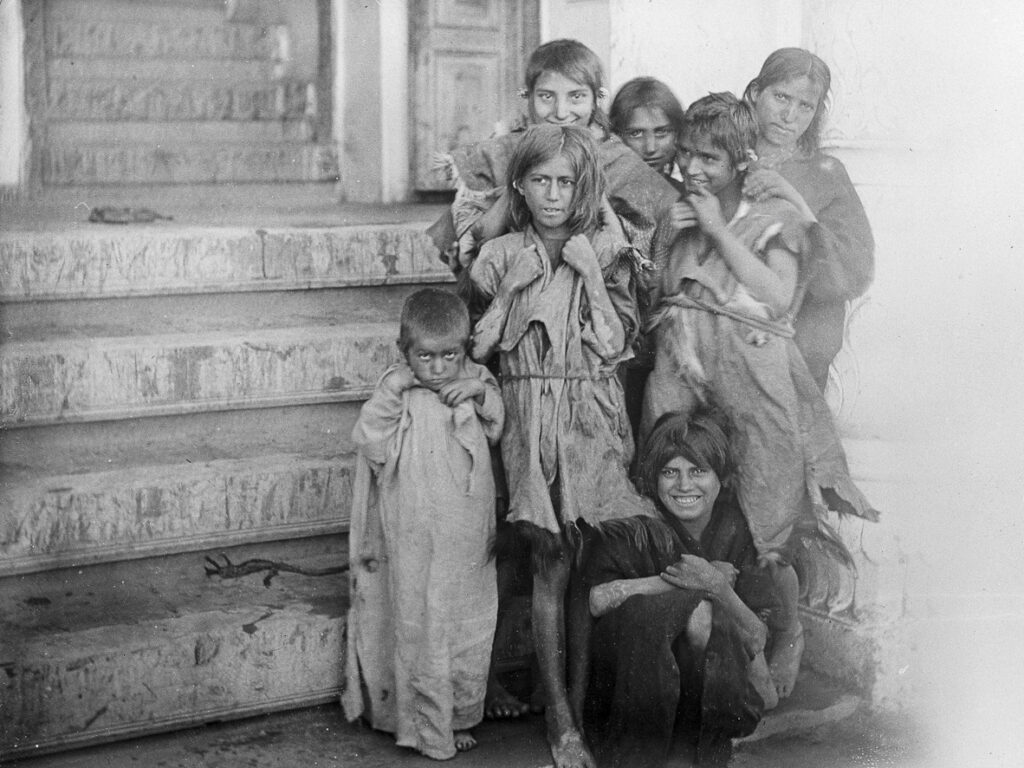
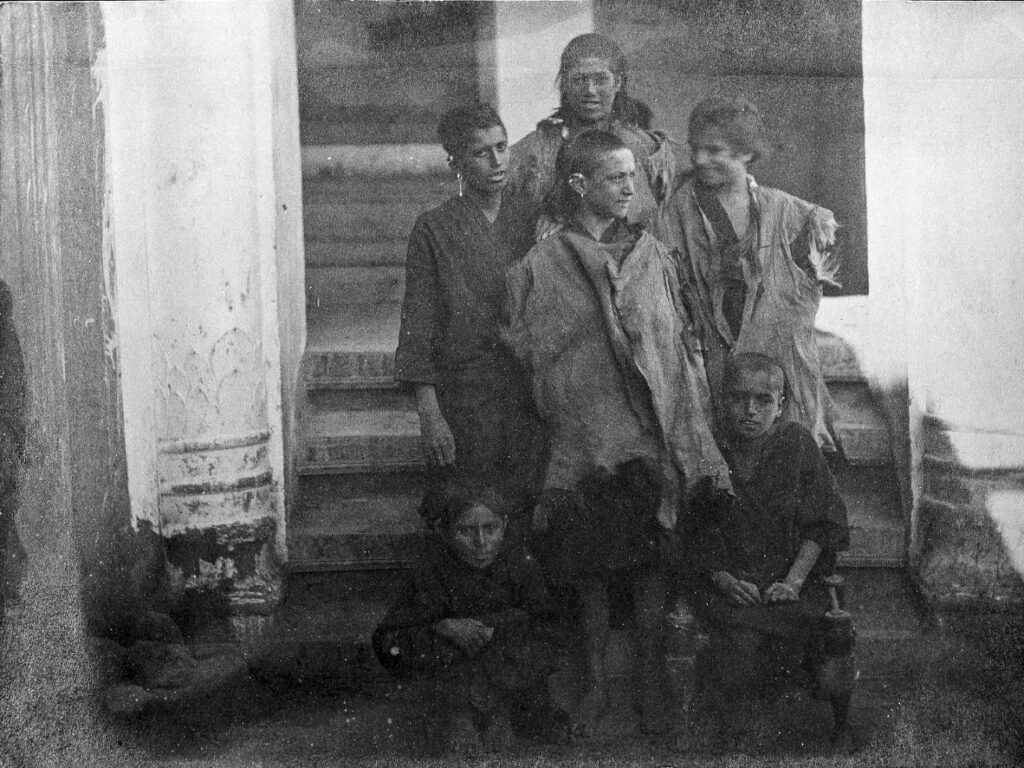
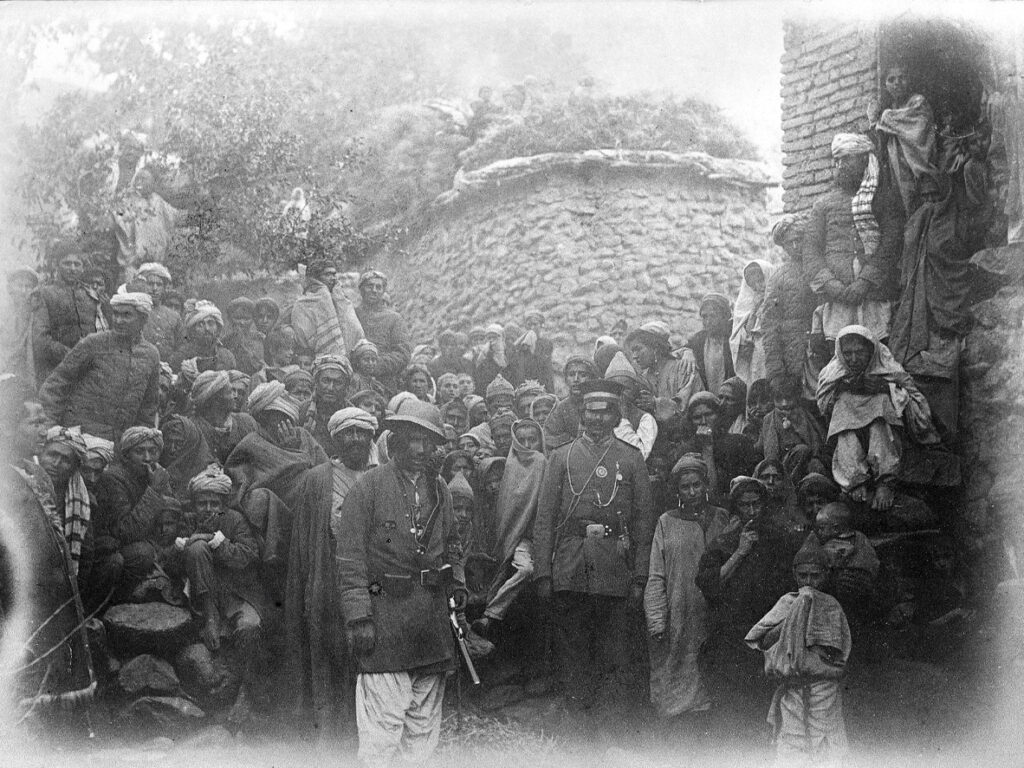

Approximately 6,000 fleeing Kafirs took refuge in the extremely difficult Mandagal Valley, where, according to the poet, they “stood firm like wild boars.” Charkhi bombarded them with artillery and sent military detachments from two directions, defeating them within three hours. Many of them were killed. The previously captured Uta and his 27 companions were executed before the newly converted Muslims, and out of fear, more Kafirs offered to convert to Islam.
Ghulam Haider Charkhi ordered that the Kafirs present their young men as hostages, whom he intended to send to Kabul. The poem recounts that a few days later, the Qam and Kati tribes came with their children and women and embraced Islam. The inhabitants of Mandagal Valley also presented themselves, and Charkhi forced them to destroy the idols of their four major gods—Mani, Gesh, Mari, and Umra—by smashing them with hammers in front of him.
Also read: The Ancient Gods and Deities of the Tribes of Dardistan
The tribes of Kafiristan, renowned for their bravery and martial qualities, were now trying to save themselves from the Afghans, but they had nowhere to flee. Initially, 3,000 Kafirs went to Chitral, where they had previously paid tribute to the Mehtar and presented their grievances. However, this time, the British officials stationed there discouraged their arrival and sent them back. We can only imagine how difficult it must have been to traverse the high and snowy mountains in winter with children, elders, and women.
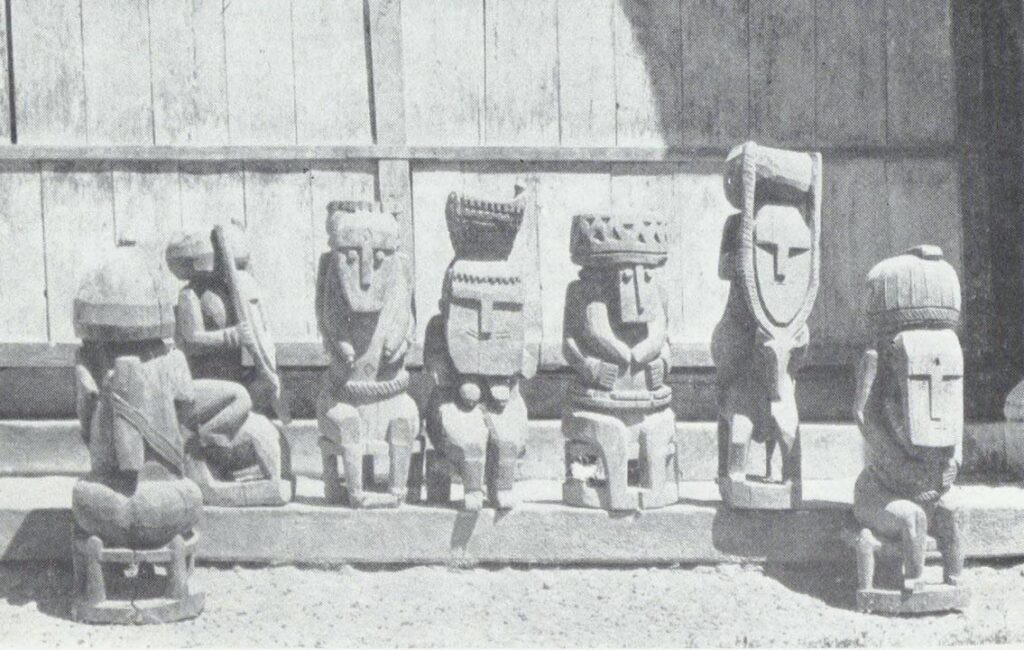
Charkhi sent hundreds of mullahs and soldiers into the conquered valleys, who traveled throughout the region, preaching, burning ancient places of worship, and building mosques in their place. The attacking army initially faced stiff resistance from other sides, but they ultimately succeeded. According to the poet, “most of the Kafirs there were sacrificed to the fires of hell, and the rest accepted Islam to save their lives.” Amir Abdur Rahman wrote that within just 40 days, the entire region of Kafiristan came under his control.
The Fall of Kafiristan
It is said that around 10,000 Kafirs were killed during this campaign, and 16,000 local people were forcibly relocated to other areas10. By March, 4,000 prisoners had been transferred to Kabul, and this process continued. Ghulam Haider sent 1,600 prisoners and a large collection of looted goods on 100 camels to Kabul, where a celebration of the victory was held11. This included ten valuable idols made of gold as well12. In the spring of 1896, additional valleys of Kafiristan were brought under Afghan control. By March, the valleys of Waigal, Parun, and Ramgal had fallen to the Afghans13.
News of the attacks and atrocities against the Kafirs reached Britain, sparking debate in Parliament and among some organizations, with criticism directed at the government. A small number of Kafirs were allowed to settle in the Kalash valleys of Chitral, but Amir Abdur Rahman was not prevented from occupying the region and forcibly converting the people’s religion.
The locals were unhappy about being stripped of their beliefs and autonomy and subjected to Afghan oppression. When Kafirs sent to Kabul were searched, 90 small idols of their gods were found, which they had apparently been secretly worshiping despite outwardly converting to Islam14. The Afghan mullahs assigned to convert the Kafirs behaved in a brutal and intolerable manner. In some places, they did not hesitate to sexually assault Kafir women. For example, a report dated 3 March 1897, received by British officials, stated that the Kafirs had killed four mullahs for sexually abusing their women. Additionally, several hostages already sent to Kabul had died, and the Afghan forces were demanding more hostages15.
Also read: What was the 1877 Chitral-Kashmir agreement?
16Driven to desperation, in May 1897 the Kafirs of Upper Bashgal rebelled, killing several mullahs and Afghan soldiers, and returned to their old religion. However, Afghan forces were dispatched from Kamdesh to crush the uprising, killing 400 people and suppressing the revolt. Evidence of unrest among the local population continued to appear.
Amir Abdur Rahman sent 3,000 Afghans to settle in Kafiristan in order to strengthen control over the local population. Thus, this region, which had successfully defended its autonomy for centuries, not only lost its freedom but was also forcibly stripped of its unique identity and traditions.
This event remained alive in the collective memory of the people of Kafiristan and is frequently referenced in their poetry. In one song, a local poet remembers a relative named Skelik, who was sacrificed during the Afghan attack:
Alas! This heartbreaking news has reached us
Thirteen families of the Kati tribe have been taken to Kabul
Alas, O Skelik! Your priceless bones have been scattered17
After the fall of Kafiristan, the three Kalash valleys of Chitral remained as the only reminder of this lost land, along with a British cargo ship famously named Kafiristan. However, the fate of this ship mirrored that of the region. Only 17 days after the outbreak of World War II, while carrying Chinese cargo from Cuba to England, a German U-boat targeted it with a torpedo. Some crew members were killed, and dozens were rescued. This colossal ship sank into the unfathomable, dark depths of the Atlantic Ocean, lost forever to the passage of time, as didi the culture of Kafiristan.
(The article was initially published in the Independent Urdu, and now a detailed and illustrated English version is produced here)
References
- Jones, S., (1969). An Annotated Bibliography of Nuristan (Kafisristan) and the Kalash Kafirs of Chitral, Volume I, II. p. 257 ↩︎
- Robertson, G. S. (1896). The Kafirs of the Hindu-Kush. Lawrence & Bullen, Limited. ↩︎
- Waddington, C. (Ed.). (1826). Memoirs of Zehir-Ed-Din Muhammed Baber: Emperor of Hindustan. P. 232 ↩︎
- Cathay and the Way Thither, Being a Collection of Medieval Notices of China, Vol. IV (London, 1916), pp. 203-4 ↩︎
- Jones, S., (1969). p. 77 ↩︎
- The Imperial and Asiatic Quarterly Review and Oriental Colonial Record, Third Series, Vol II, 1896, p. 285 ↩︎
- Jones, S., (1969). An Annotated Bibliography of Nuristan (Kafisristan) and the Kalash Kafirs of Chitral, Volume I, II. p. 89 ↩︎
- Khan, M. (Ed.). (1900). The Life of Abdur Rahman, Amir of Afghanistan. (Vol. 1). J. Murray. p. 289 ↩︎
- Jones, S., (1969). p. 91 ↩︎
- Saikal, A. (2012). Modern Afghanistan: A history of struggle and survival. I.B. Tauris & Co. Ltd. p. 38 ↩︎
- Jones, S., & Campbell, K. F. (1974). Men of influence in Nuristan: A study of social control and dispute settlement in Waigal Valley, Afghanistan. p. 14 ↩︎
- Jones, S., (1969). p. 217 ↩︎
- Jones, S., & Campbell, K. F. (1974). p. 16 ↩︎
- Jones, S., (1969). p.221 ↩︎
- ibid, p. 248 ↩︎
- Cacopardo, A. (2006). My Heartrendingly Tragic Story. Shaikh Muhammad Abdullah Khan ‘Azar’. p. 72 ↩︎
- To Honor Roman Jokobson, Essays on the Occassion of his 70 Birthday, 11 October 1966, Vol II، 1967, Essay by Georg Morgenstierne, p. 1382 ↩︎
Posted on 7 January 2026