Before Iodine: A British Doctor’s First Study of Goitre & Cretinism in Chitral & Gilgit-Baltistan
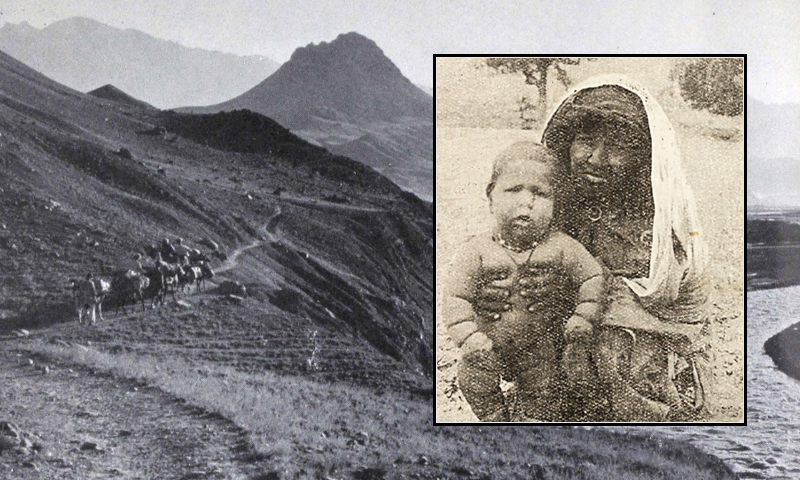
Picture of an infant effected by cretinism, Picture taken by Dr. McCarrison and is included in his original article
(The original article by Captain R. McCarrison was read at the Royal Society of Medicine, London in 1908. Khowari presents the summary of the study below)
In the past, the medical condition of cretinism and goitre (locally known as Ghot & Guruli respectively) was common in Chitral and Gilgit-Baltistan. Every village used to house people with severe physical and mental developmental impairment from early life, and in the case of goitre, an abnormally enlarged thyroid gland in the neck.
Captain R. McCarrison was a British doctor and surgeon stationed in Gilgit. He carried out the first scientific study of goitre and cretinism in the Chitral and Gilgit valleys. Through a detailed house-to-house investigation of 203 cases, he examined the connection between goitre, maternal health, and the development of cretinism in these remote mountain regions.
Relationship Between Goitre, Cretinism, and Deaf-Mutism
McCarrison observed a close relationship between goitre, cretinism, and deaf-mutism. However, he noted that goitre in a community did not immediately lead to cretinism. Instead, he found that cretinism usually appeared only after goitre had been present in families for two or three generations. He also noticed a regional difference: although children in Gilgit had less visible goitre than those in Chitral, cretinism was more common in Gilgit, which he linked to the long-standing presence of the condition in that area.
Also Read: Victory Against Cretinism and Goitre: How Iodized Salt Transformed Chitral and Gilgit-Baltistan
He challenged the idea that goitre in a child directly caused cretinism. In many cases, he observed that thyroid enlargement appeared after cretinism had already developed. He also found that older individuals with cretinism were more likely to develop goitre compared to younger children.
Role of Maternal Health
One of the most important findings of his work was the role of the mother’s health. He found that in most cases, mothers themselves had goitre. He suggested that this condition often meant the thyroid was not functioning properly and may not have been producing enough of its natural hormones.
During pregnancy, the body undergoes extra stress, and McCarrison believed that this weakness in the mother’s health affected the developing baby. He proposed that waste products from normal body processes were not handled properly and could interfere with healthy development of the child, especially affecting growth and brain development.
Other Contributing Factors
McCarrison also identified several other factors that seemed to increase risk. He noted that mothers who suffered from illnesses during pregnancy, such as prolonged infections or general weakness, were more likely to have affected children.
Also Read: Sixth March 1976, and the Years that Followed
He also observed that close-kin marriages appeared to increase the likelihood of the condition within families. In addition, he recorded many cases where mothers experienced strong emotional stress—such as fear, grief, or anxiety—during pregnancy. Many of them linked their child’s condition to such experiences, which reflected the beliefs and understanding of that time.
Clinical Types of Cretinism
Based on his observations, McCarrison described two main patterns of the condition.
Physical (myxedematous) type: This form involved slowed growth, puffiness, and physical underdevelopment. It resembled similar cases seen in Europe and was more commonly observed in relatively better-off families.
Nervous type: This form was more severe and involved major difficulties in movement, hearing, and speech. Children showed stiff or awkward movements, difficulty standing or walking, and unusual facial features. Many were unable to care for themselves and required full support.
Findings from Body Examination
McCarrison concluded that the condition involved an overall weakness in the body’s natural growth and regulation system, especially the glands in the neck region that help control growth and development. In some examined cases after death, these glands were found to be underdeveloped or replaced by inactive tissue.
Also Read: Global Pandemics and Chitral
He also tried using thyroid-based animal extracts and reported some improvement in growth, movement, and hearing in affected individuals. This suggested to him that the condition was linked to a shortage of normal thyroid function in the body.
What McCarrison Did Not Fully Understand?
Although McCarrison’s study was highly important for its time, some of his explanations were later revised. He believed the condition was linked to harmful influences from the environment and possible unknown factors affecting the mother’s body. At that time, the idea of nutritional deficiencies was not yet fully understood in this context.
Later research showed that the main cause was not a toxin or infection, but a lack of iodine in the local diet and soil, especially in mountainous regions where food sources naturally contained very little of it. Iodine is a small but essential nutrient needed for normal growth and brain development.
This understanding changed the focus from treating possible external “poisons” to correcting a simple dietary gap. In later decades, public health efforts, particularly by Prince Karim Aga Khan IV, who introduced iodized salt programs in Gilgit-Baltistan and Chitral through his agencies, greatly reduced the occurrence of the condition and became one of the major success stories in preventive health care.
Today, cretinism and goitre are rarely seen in the valleys that, just a hundred years ago, had some of the highest rates in the world.
Read the full article below
Posted on 20 April 2026