Rock Carvings and Graves of Parwak Chitral
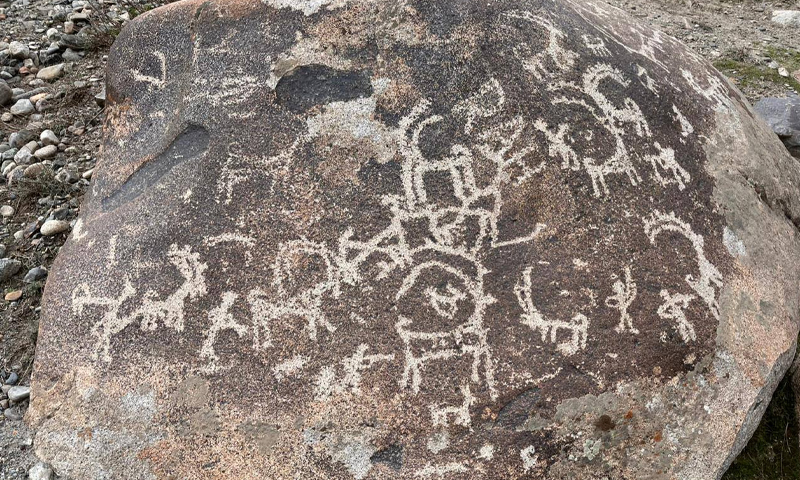
A rock carving of Parwak Upper Chitral
Khowari
Parwak in Upper Chitral has vibrant petroglyph sites in two villages; Tori Lasht/Qudratabad & Palogh Ispro.
Almost all of the rock carvings feature Ibexes, with hunting scenes of bowman occuring occasionally.
Tori Lasht is also a site of ancient graves and fort (Darbatoshalio Noghor) found around the area now dedicated to the expected Didar congregation of H. H. Prince Rahim Aga Khan V. The site of a ruined fort was noted by the well-known Hungarian archeologist, Aurel Stein, during his 1906 expedition (see Stein’s Serindia, 1921). However, the ruins of the said fort have been mostly erased by the contractors working on the Chitral-Mastuj road.
Although archeological excavation and study were carried out on graves in Shapiro Noghor mound in main Parwak but rock carvings and ruins of Tori Lasht have not been studied so far. The carbon dating of the 2003 and 2007 excavation of the Shapiro Noghor dated the site to 6th to 9th century A.D, and experts see it as an extension of the Gandhara Grave Culture which was first discovered by Ahmad Hassan Dani in Swat and Dir valleys.
The rock carvings and other archeological assets in the area need a thorough study by researchers and care & preservation from the concerned authorities & local community.
Similar rock carvings also appear in Lot Ovir, Laspur and Mulkhow as well.
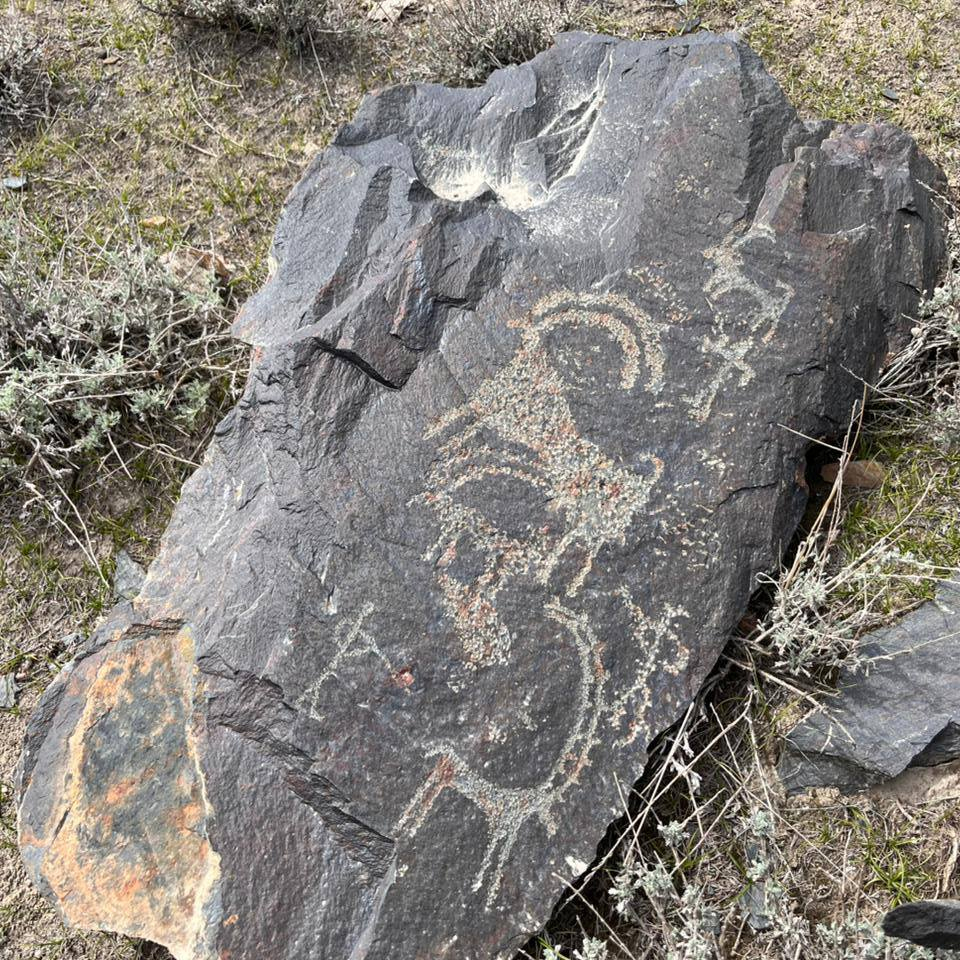
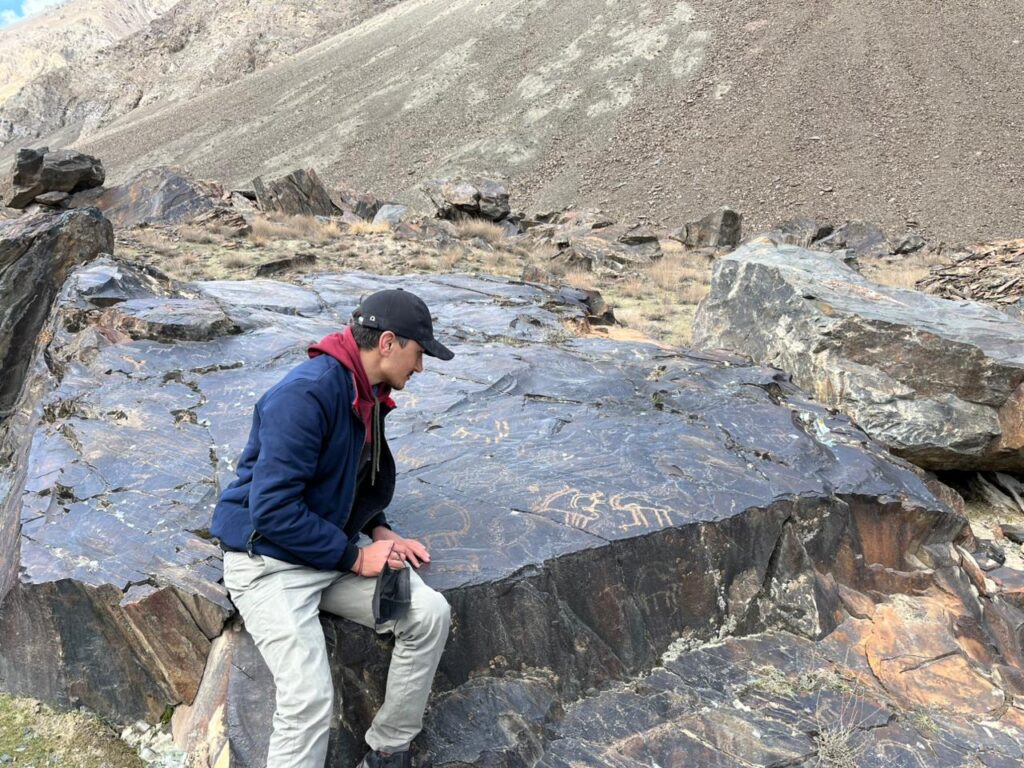
These sites in Parwak are part of the much wider petroglyphs of Ibexes scattered in the Northern-Areas of Pakistan, most notably Chilas, Hunza & Ghizer, many of them date from prehistoric times (as early as 2000–3000 BCE).
Location coordinates
- Gandhara Grave Culture cemeteries (Shapiro Noghor): 36.280402,72.414891
- Rock Carvings: 36.2829794, 72.4467441
- Ruins of ancient settlement, most probably a fortification: 36.2781304, 72.4480175
- Tori Lasht pre-Islamic graves: 36°16’58.7″N 72°26’48.3″E
Posted on 11 April 2026