Rahman Qul and Kirghiz Nomads: A Story of Exodus and Transition

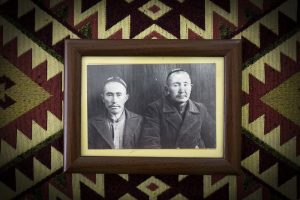
(A Kirghiz couple and Rahman Qul on left)
By Fakhr-e-Alam
For centuries, the Kirghiz nomads traversed the vast stretches of Central Asia, moving seasonally in search of pastures for their large herds. However, the advent of nationalism, the emergence of borders, and political revolutions in the 20th century profoundly disrupted their nomadic lifestyle. Among the events that shaped their fate, the Russian Revolution of 1917 was particularly pivotal, setting in motion a chain of upheavals that forced the Kirghiz to repeatedly seek new homes.
The communist revolution of 1917 and the subsequent establishment of the Soviet Union brought seismic changes to Central Asia. The Soviets annexed the lands of the Kirghiz nomads, imposing heavy restrictions on their movement. Nomadic tribes were viewed with suspicion, as their lack of permanent roots conflicted with Soviet ideals of a settled, industrialized society. Moreover, they were deemed “backward” and unproductive, prompting the Soviet regime to embark on a “civilizing mission” that brutally suppressed their culture and identity. The Soviets implemented a harsh “Russification” policy, intervening in the cultural lifestyle of communities and heavily patrolled borders, making traditional transnational migration nearly impossible.
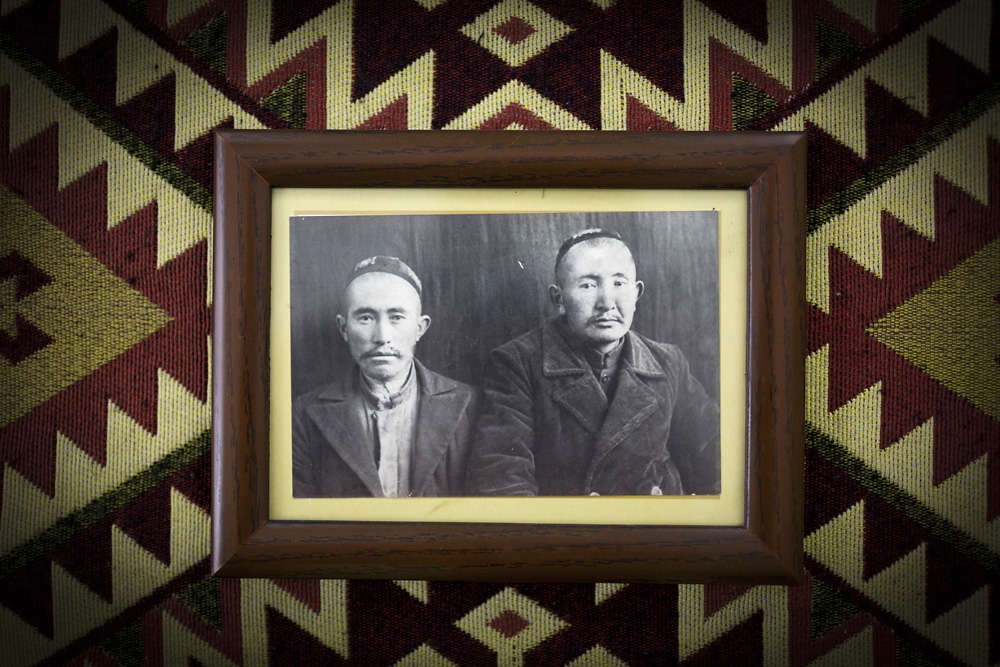
Faced with the prospect of losing their centuries-old way of life, many Kirghiz fled to the Wakhan Corridor, a narrow strip of land in present-day Afghanistan bordering Pakistan. Historically part of an independent state, the Wakhan Corridor was annexed by Afghanistan in the late 19th century and the British authorities declared it as a buffer zone between British India and Tsarist Russia during the Great Game. Nestled between Afghanistan, China, Tajikistan, and Pakistan, this remote region became a refuge for the Kirghiz, offering ample pastures and the isolation they sought to preserve their nomadic way of life.
The Wakhan Corridor, also known as Little Pamir, provided the Kirghiz with enough resources to sustain their herds. A small number of Kirghiz families ventured further, crossing into Chitral in Pakistan, where they settled temporarily in Mastuj. These families later relocated to Turkey, possibly in the early 1960s. Evidence of their time in Chitral includes older tribesmen who became fluent in Khowar, Chitral’s predominant language. Tariq Ullah Khan, a Turkey-based Chitrali economist, recalls meeting one such tribesman in Istanbul in 1978, who conversed fluently in Khowar. Little else is known about the stay of this group in Chitral or how they eventual made a journey to Turkey.
Also Read: Meeting with Rahman Kul, Leader of the Kyrgyz Tribe from Wakhan
For the rest, despite the relative peace they found in Wakhan, life remained precarious. The Soviets launched cross-border attacks in 1946, forcing the Kirghiz to flee into Chinese-controlled Pamir. However, their refuge there was short-lived due to the Chinese Communist Revolution in 1949. Fearing a repeat of Soviet-style persecution from the Chinese this time, the Kirghiz returned to Wakhan. By this time, they were effectively cut off from the larger Kirghiz population in Soviet Central Asia and China, leading to cultural and geographic isolation. Anthropologist M. Nazif Shahrani, who studied the Kirghiz in the 1970s, noted how this isolation compelled them to unite under a single leader, a significant departure from their traditionally individualistic and decentralized social structure.
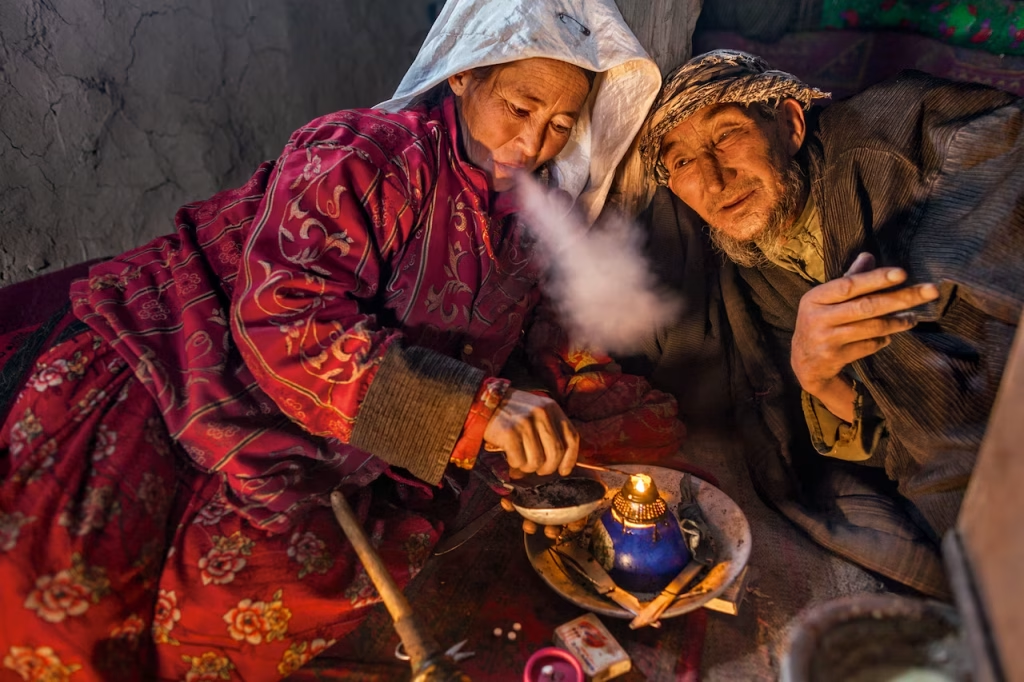
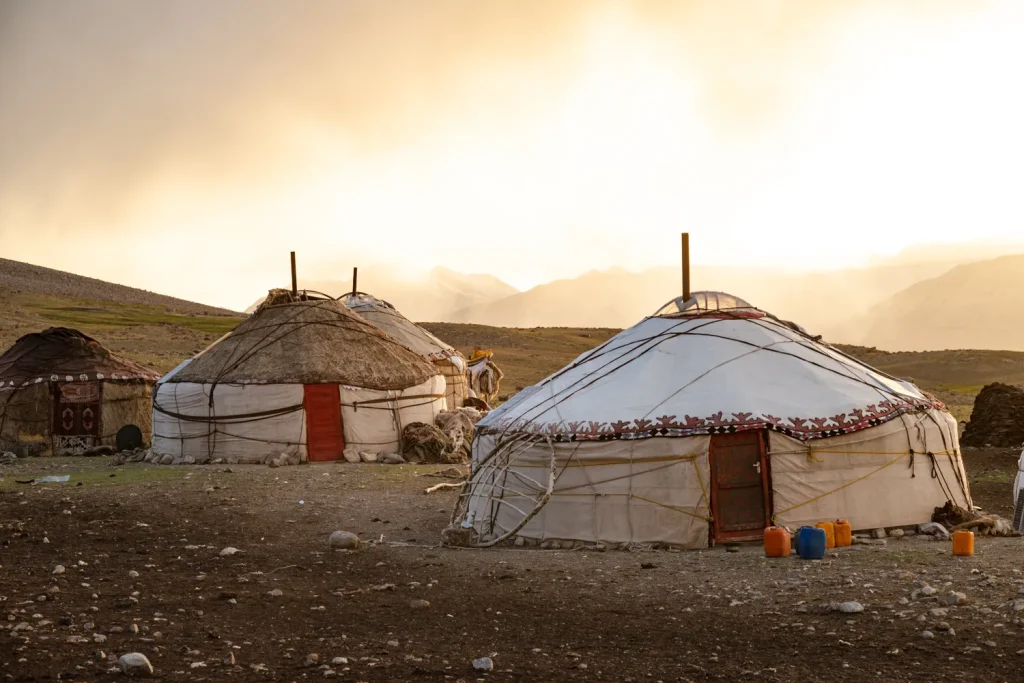
The Kirghiz, known for their disdain for centralized authority, were often described as fiercely independent. A popular Kirghiz saying humorously encapsulates this sentiment: “If you put three Kirghiz in a yurt and return later, you will find five Khans among them.” Despite this, the tribe rallied around a charismatic and capable leader, Haji Abdul Rahman Qul (also spelled as ‘Kul’) whose leadership proved vital during their turbulent journey.
Born around 1913 in Murghab (present-day Tajikistan), Rahman Qul’s leadership qualities emerged during the harsh times his tribe faced. Imprisoned briefly by the Soviets before fleeing to Wakhan, he demonstrated exceptional foresight and resourcefulness and fluent in several languages—Turkic, Urdu, Persian, Pashto, Russian, and some Chinese—he adeptly navigated the complex political landscapes of the time. Shahrani described Rahman Qul as “knowledgeable and capable in the true sense of the word,” noting his success as a herder with over 16,000 sheep, 700 yaks, and as a father to nine sons. Under his leadership, the Kirghiz managed to secure aid and protection from Afghan authorities, allowing them to thrive temporarily in Wakhan.
The peace in Wakhan was shattered in 1978 when a Soviet-backed coup in Kabul destabilized Afghanistan. The Soviets’ subsequent invasion in 1979 prompted fears of persecution reminiscent of earlier times. In July 1978, Rahman Qul led 1,300 Kirghiz and their herds across the Durand Line border into Pakistan The group splitted into two. One group settled in Ishkoman in Gilgit-Baltistan, while another, led by Rahman Qul’s son Abdul Wakil, stayed in Broghil, Chitral. Unfortunately, the relatively warmer climate, new diseases, and lack of pastures proved disastrous for the nomads and within a year, over a hundred Kirghiz died, and hundreds of their animals perished.
The Pakistani government’s suspicion of the tribe’s political affiliations during the Soviet-Afghan War further compounded their challenges. Unable to adapt, some Kirghiz returned to Wakhan under Abdul Rashid Khan, where they were surprisingly welcomed by the Afghan regime. For those who remained in Pakistan, survival necessitated yet another migration.
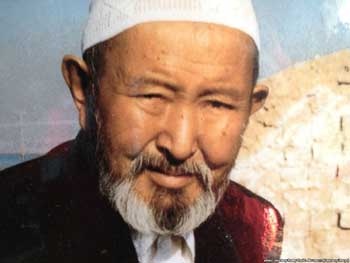
Rahman Qul envisioned Alaska in the U.S as a potential home for his people, recognizing its climate and isolation as ideal. Although his plea reached the United States and garnered public support, the authorities ultimately denied the request. Undeterred, Rahman Qul turned to Turkey, a country with cultural and historical ties to the Kirghiz. His appeal coincided with a visit by Turkish President Kenan Evren to Pakistan in 1981. The president, moved by the Kirghiz’ plight, ordered their relocation to Turkey.
In August 1982, the Kirghiz bid farewell to their nomadic lifestyle. They sold their herds in Peshawar and Rawalpindi before boarding chartered flights to Turkey. Settled initially in Karagünü near Lake Van, they were later moved to Ulu Pamir in Van Province. This settlement in Turkey marked the end of their centuries-old nomadic traditions.
The Kirghiz who returned to Wakhan in 1980 preserved their traditional lifestyle, while those in Turkey embraced modernity. Rahman Qul, passed away in 1990 after finding for his tribe a home away from the wilderness of Central Asia in the distant plains of Turkey. He is remembered as a savior among the Kirghiz diaspora all over the world. His son, Akbar Kutlu, now a sculptor, captures the themes of nomadic life and transition in his work, embodying the profound changes his people underwent.
Today, the Kirghiz’ story is a testament to resilience and adaptation in the face of relentless upheaval. From the “Roof of the world” to modern Turkey, their journey reflects both the loss and preservation of cultural identity in a rapidly changing world.
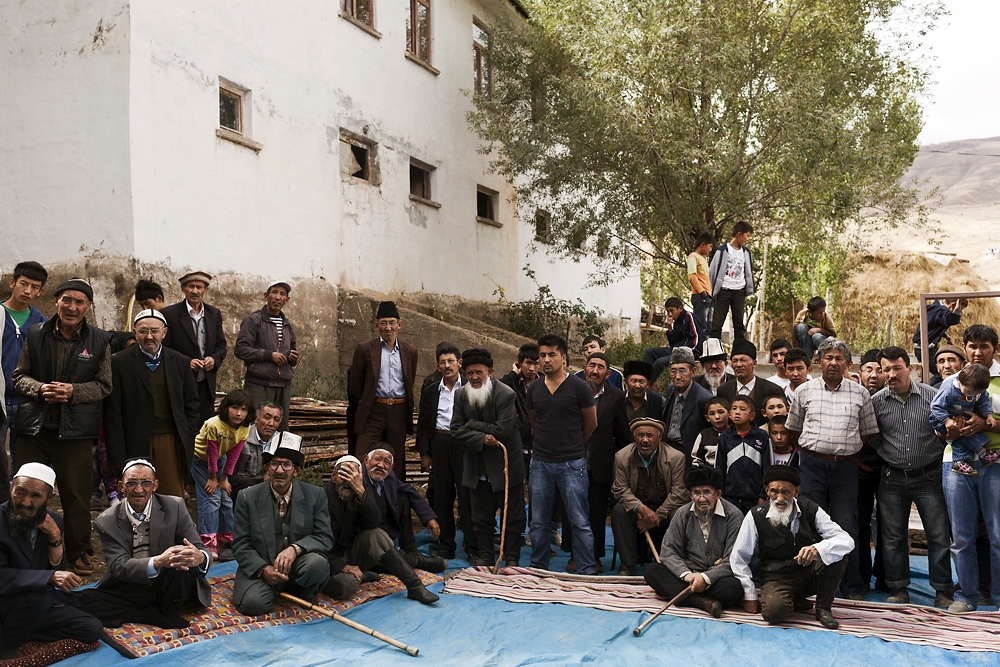
Posted on 31 December 2024

I met Rahman Kul in 79 in Gilgit and visited them often in Etcis in Turkey. Thanks for your comment. Where you from . Greetons. Bernard un